• Untitled post 1547

    Trauma-Informed Teaching Practices

    Creating Safe, Supportive, and Brain-Aligned Learning Environments

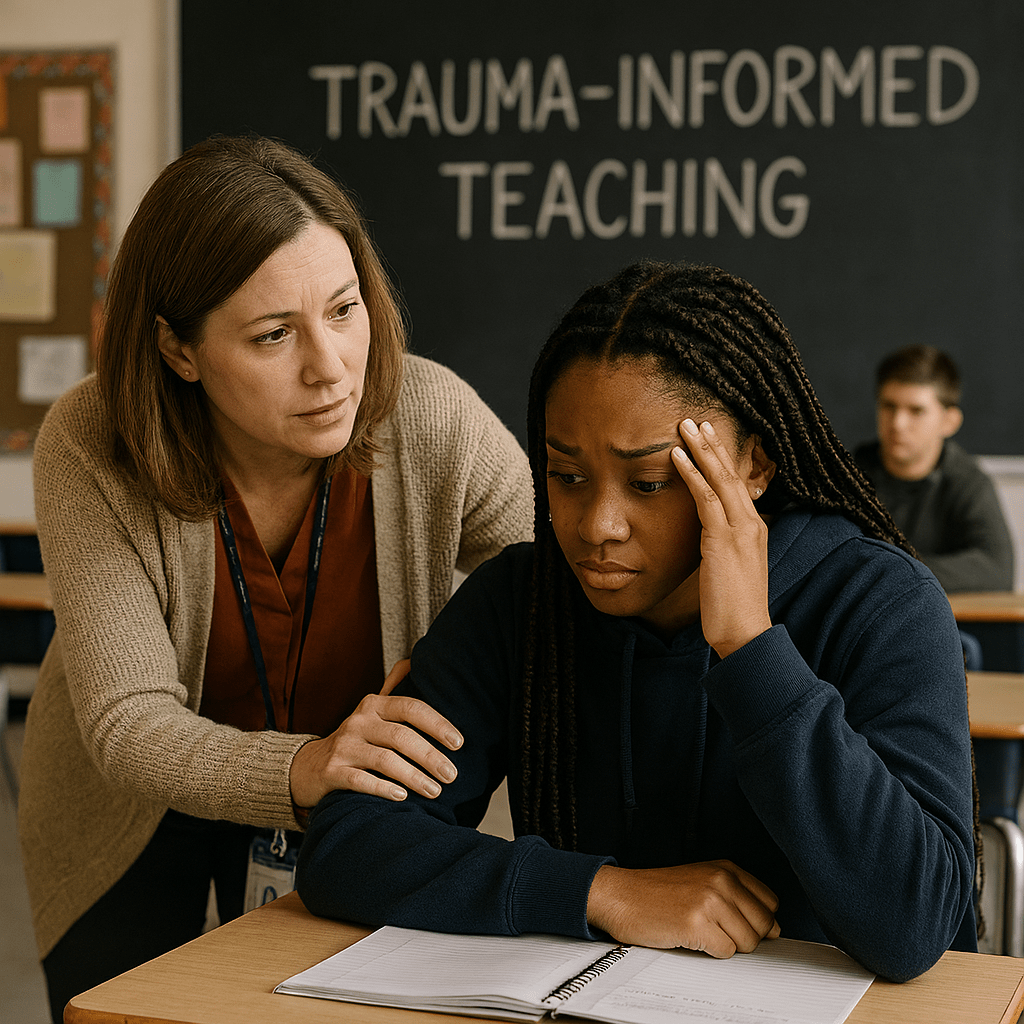
    Trauma affects how students think, behave, and engage in learning—often in ways traditional discipline and instruction fail to address. The Trauma-Informed Teaching Practices workshop from C&B Educational Consulting, LLC equips educators with the tools to create emotionally safe, structured, and academically rigorous classrooms where all students can thrive.

    This training helps schools shift from reactive discipline to proactive, relationship-centered practices that improve behavior, attendance, and academic outcomes.


    Who This Service Is For

    • K–12 Teachers
    • School Administrators
    • Counselors and Social Workers
    • Behavior Specialists and MTSS Teams
    • Title I, Alternative, and High-Needs Schools

    What Educators Will Learn

    Participants gain practical, classroom-ready strategies to:

    • Understand how trauma affects brain development, memory, and learning
    • Recognize trauma-based behaviors versus willful defiance
    • De-escalate emotionally charged situations effectively
    • Build predictable, emotionally supportive classrooms
    • Implement restorative and relationship-centered discipline
    • Maintain high academic expectations while supporting emotional needs
    • Prevent educator burnout through self-regulation strategies

    Core Training Topics

    • Trauma and the Learning Brain
    • Trauma-Responsive Classroom Culture
    • Behavior Through a Trauma Lens
    • De-Escalation and Emotional Regulation
    • Restorative and Relational Practices
    • Trauma-Informed Staff Wellness

    Training Formats

    This workshop is available as:

    • Half-Day or Full-Day Professional Development
    • Multi-Session Series (3–6 sessions)
    • School- or District-Wide Implementation
    • Virtual or In-Person

    Outcomes for Schools

    Schools and districts that implement this training typically see:

    • Fewer behavioral incidents and referrals
    • Stronger teacher-student relationships
    • Improved classroom and school climate
    • Increased student engagement
    • Higher staff retention and morale

    Aligned to District Priorities

    This service supports:

    • MTSS and PBIS frameworks
    • Social-Emotional Learning (SEL) initiatives
    • Equity and culturally responsive teaching
    • School climate and culture goals
    • Attendance and behavior intervention systems

    Call to action: Schedule a Consultation with cbeducationalconsulting.com

  • DATA TO ACTION: A NEW PATHWAY FOR INSTRUCTIONAL GROWTH

    In today’s fast-paced educational landscape, the power of data is undeniable. It’s no longer just about intuition or tradition. We have tools and insights at our fingertips that can transform how we teach and how students learn. But how do we harness this data effectively? How do we turn numbers and charts into meaningful actions that inspire growth and success? This is where data-driven teaching methods come into play. They offer a roadmap to more personalized, impactful, and reflective instruction.

    Let’s explore how embracing data can revolutionize classrooms, empower educators, and ultimately create learning environments where every student thrives.

    Why Data-Driven Teaching Methods Matter

    Data-driven teaching methods are not just a trend—they are a necessity. When we rely on data, we gain clarity. We see patterns that were invisible before. We understand where students struggle and where they excel. This clarity helps us make informed decisions rather than guesswork.

    Imagine walking into a classroom where every lesson is tailored to meet the unique needs of each student. That’s the promise of data-driven teaching. It allows us to:

    • Identify learning gaps early
    • Adjust instruction in real time
    • Track progress with precision
    • Celebrate small wins that motivate students

    For example, if a math teacher notices through assessment data that a group of students struggles with fractions, they can quickly pivot to targeted interventions. This responsiveness makes teaching more effective and learning more engaging.

    But it’s not just about the students. Data-driven methods also help educators reflect on their own practices. Are certain strategies working? Which ones need tweaking? This ongoing feedback loop fosters professional growth and a culture of continuous improvement.

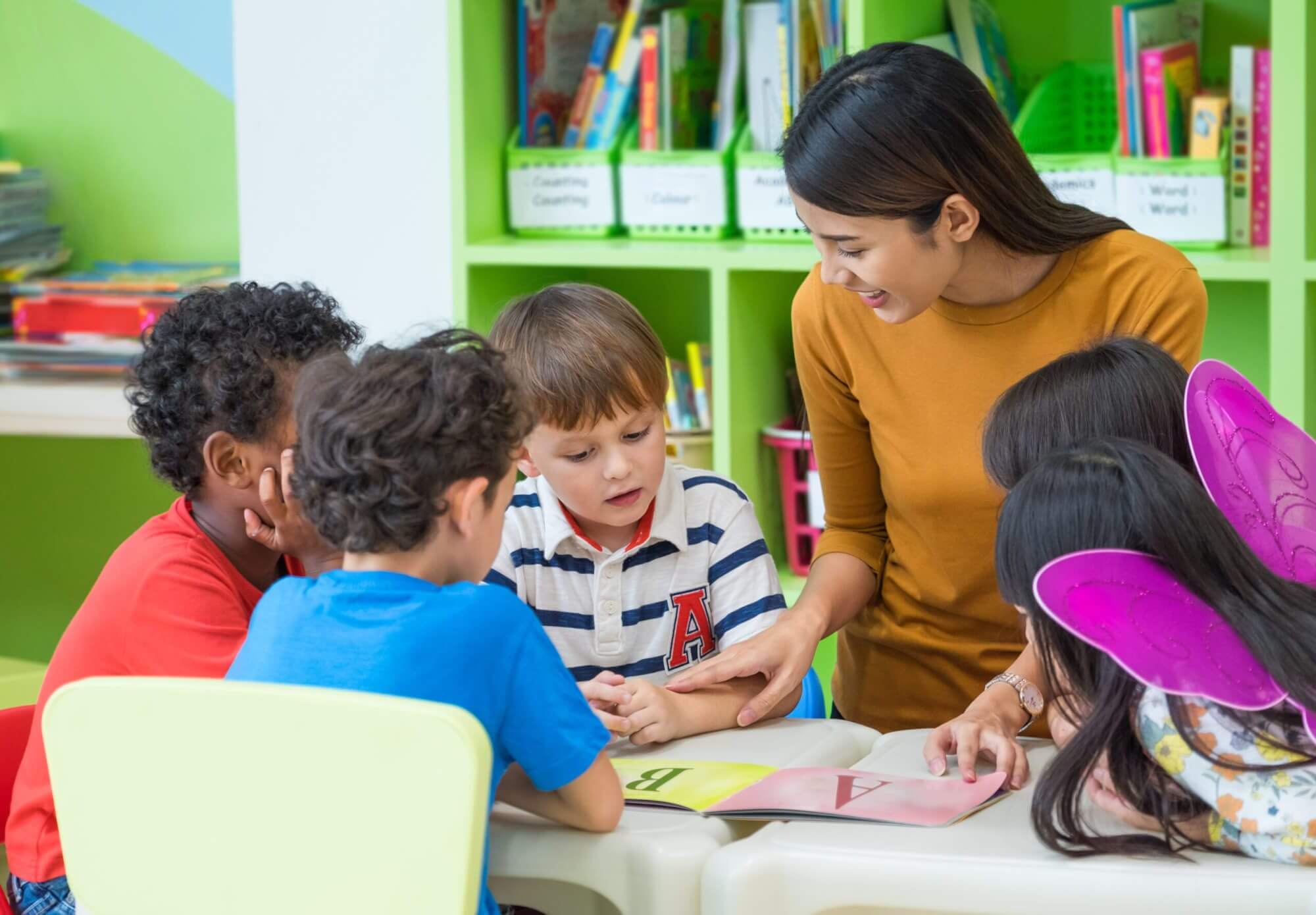
    Teacher reviewing student data to inform instruction

    Practical Steps to Implement Data-Driven Teaching Methods

    Getting started with data-driven teaching might feel overwhelming. Where do you begin? What data should you collect? How do you analyze it? Here’s a simple, actionable framework to guide you:

    1. Collect Relevant Data

    Start with the basics. Use formative assessments, quizzes, student work samples, and attendance records. Don’t forget qualitative data like student feedback and classroom observations. The goal is to gather a comprehensive picture.

    2. Analyze and Interpret

    Look for trends and patterns. Are there common misconceptions? Are certain skills consistently weak? Use tools like spreadsheets or educational software to organize and visualize data. This step is crucial for turning raw numbers into insights.

    3. Plan Instructional Adjustments

    Based on your analysis, design lessons that address identified needs. This might mean reteaching concepts, grouping students differently, or incorporating new resources. Remember, flexibility is key.

    4. Monitor Progress

    Data collection is ongoing. Regularly check in on student progress to see if your adjustments are working. This cycle of assessment, analysis, and action keeps instruction dynamic and responsive.

    5. Collaborate and Share

    Data is most powerful when shared. Work with colleagues to discuss findings and strategies. Collaboration fosters a supportive environment where everyone learns and grows together.

    By following these steps, you create a sustainable system that puts data at the heart of teaching.

  • Interactive Strategies to Revitalize Classrooms: Learning Engagement Strategies that Work

    Every classroom holds increadable potential. Yet even the most dedicated educators encounter moments when that spark of engagement begins to fade. The question is not if this happens—but how we respond when it does. How do we reignite curiosity?
    How do we design learning environments where students do not simply comply, but actively thrive?

    The answer lies in intentional, interactive strategies that transform teaching and learning from passive consumption into meaningful participation. When students are invited to collaborate, question, create, and reflect, engagement shifts from obligation to ownership.

    Below are practical, research-informed strategies that consistently revitalize classrooms and elevate student learning.

    1. Shift From Teacher-Led to Student-Centered Learning

    Engagement increases when students have voice and agency. Strategies such as think–pair–share, choice boards, project-based learning, and student-led discussions empower learners to take an active role in constructing knowledge rather than receiving it.

    Why it works: Students are more invested when they feel heard, valued, and responsible for their learning.


    2. Make Learning Social and Collaborative

    Purposeful collaboration—when structured effectively—deepens understanding and builds essential skills. Use small-group problem solving, academic conversations, peer feedback, and cooperative roles to foster accountability and shared ownership.

    Why it works: Learning is inherently social. Collaboration builds confidence, communication, and critical thinking.


    3. Integrate Movement and Multisensory Experiences

    Engagement does not require more content—it requires smarter delivery. Incorporating movement breaks, station rotations, manipulatives, and interactive visuals helps students remain focused and energized.

    Why it works: Movement and multisensory input improve attention, retention, and overall cognitive engagement.


    4. Ask Better Questions

    High-quality questioning fuels higher-order thinking. Replace recall-based questions with open-ended prompts that require analysis, justification, and reflection. Encourage students to generate questions of their own.

    Why it works: When students think deeply, they engage deeply.


    5. Connect Learning to Real Life

    Relevance is a powerful motivator. Anchor lessons in real-world problems, current events, or authentic applications that matter to students’ lives and communities.

    Why it works: Students engage when they understand why learning matters beyond the classroom.


    6. Use Formative Feedback as a Learning Tool

    Ongoing feedback—timely, specific, and actionable—keeps students engaged in the learning process. Strategies such as exit tickets, self-assessment, and peer feedback promote reflection and growth.

    Why it works: Feedback shifts the focus from grades to progress.


    The Bottom Line

    Revitalizing classrooms does not require a complete overhaul. It requires intentional instructional choices that prioritize interaction, relevance, and student voice. When engagement is designed—not left to chance—classrooms become spaces of curiosity, connection, and continuous growth.

    The spark is already there.
    Interactive strategies simply help it shine.

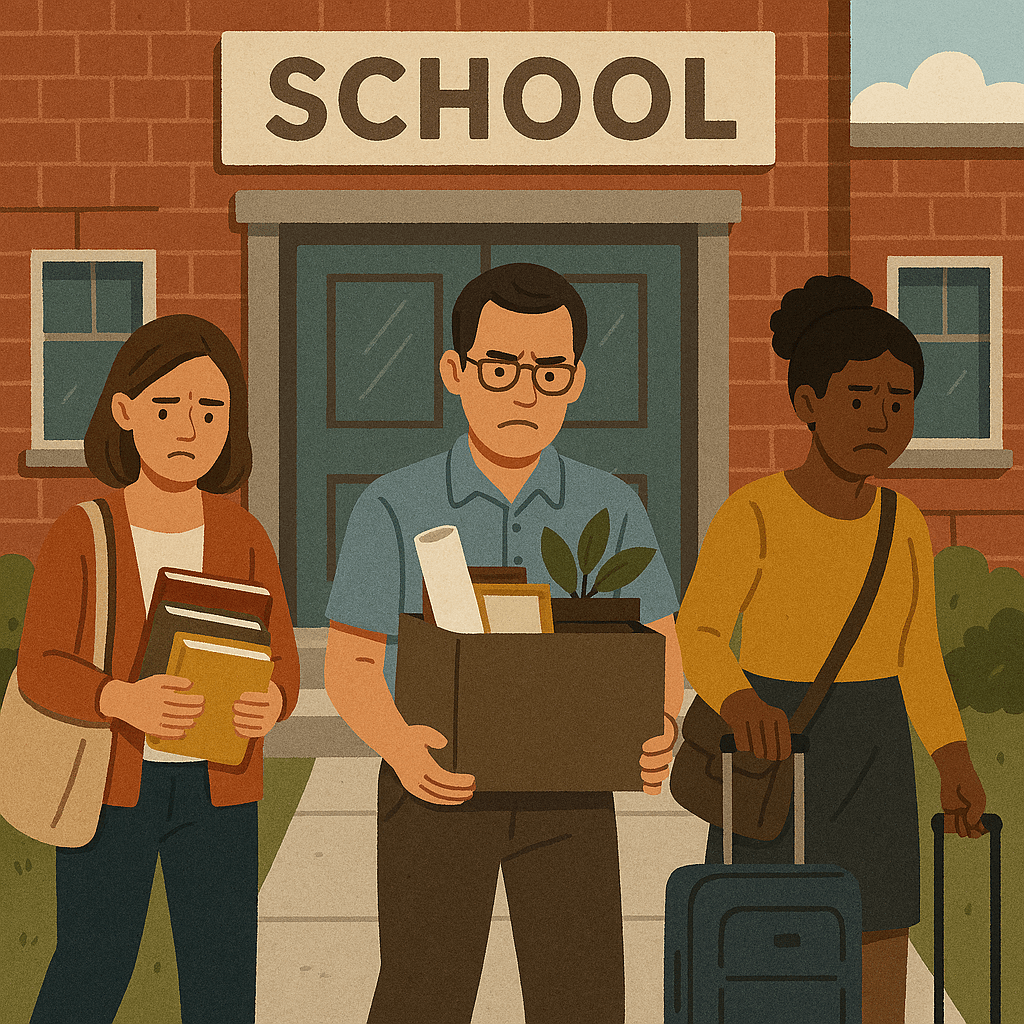
  • There’s a particular kind of smile educators learn to master.
    The one that says I’m fine even when the weight of the day sits heavy on the chest.
    The one that reassures students, colleagues, and families—even when the educator behind it is running on fumes.
    The one that becomes so automatic, so practiced, that even we forget to check what’s happening beneath it.

    But behind that smile lives a truth we can no longer afford to ignore.

    Burnout isn’t a buzzword.
    It isn’t a trend.
    It isn’t a sign of weakness.
    It’s the unspoken reality of a profession that asks people to pour endlessly from a cup that rarely gets refilled.

    🌿 The Hidden Layers Beneath the Surface

    Educator burnout doesn’t always look like collapse.
    More often, it looks like:

    • The teacher who stays late because it’s “just easier” than asking for help
    • The leader who carries everyone else’s emotional load but has nowhere to place their own
    • The staff member who hasn’t taken a real lunch break in months
    • The colleague who jokes about being exhausted because naming the truth feels too vulnerable

    Burnout hides in the quiet moments—behind the smile, behind the closed classroom door, behind the “I’ve got it.”

    🔥 Why We Must Name It

    Naming burnout isn’t about blame.
    It’s about liberation.

    When we name what’s real, we create space for healing.
    When we acknowledge the emotional labor educators carry, we validate the humanity of the people who hold our schools together.
    When we stop pretending everything is fine, we open the door to conversations that can actually change things.

    Burnout thrives in silence.
    It loosens its grip when we speak.

    🌱 A Call for Restoration, Not Resilience

    Educators don’t need more resilience.
    They already bend, stretch, adapt, and endure more than most professions ever will.

    What educators need is restoration.

    • Workplaces that honor their humanity
    • Systems that don’t rely on self-sacrifice as a job requirement
    • Leadership that listens deeply and responds with care
    • Time to breathe, reflect, and reconnect with purpose
    • Communities that see the person, not just the role

    Restoration isn’t a luxury.
    It’s the soil where sustainable teaching grows.

    ✨ If You’re Reading This…

    If you’re an educator who has been smiling through exhaustion, this is your reminder:

    You are not alone.
    Your feelings are valid.
    Your limits are real.
    Your well-being matters.

    And you deserve a profession that honors the fullness of who you are—not just the parts that serve others.

    🔔 Call to Action

    If this message resonates, share it with someone who might need to hear it.
    Let’s break the silence together and build a culture where educators don’t have to hide behind the smile.
    For farther help, reach out through our website: http://www.cbeducationalconsulting.com


  • A Holiday Thank You: From Our Heart to Yours

    As the year winds down and the world leans into the glow of the holiday season, I find myself reflecting on the small but powerful sparks that have carried us forward—your likes, your shares, your comments, your quiet presence in our growing community of educators and leaders.

    Each interaction has been its own evergreen branch: steady, grounding, and full of life. And together, you’ve helped us build something vibrant and deeply rooted.

    Just like mistletoe tucked above a doorway—inviting connection, warmth, and a moment of pause—you’ve created a space where ideas can meet, where educators can breathe, and where purpose can be renewed. Your engagement has been a reminder that our work matters, that our stories resonate, and that our mission continues to ripple outward.

    Thank You for Being Here

    This season, I want to say thank you—for every moment you’ve spent reading, reflecting, and walking alongside us. Whether you’ve been here since the beginning or just joined us or briefly checked us recently, your presence fuels the work we do at C&B Educational Consulting.

    You’ve helped us:

    • Celebrate the brilliance of educators
    • Explore restorative, metaphor-rich approaches to professional growth
    • Build a community rooted in compassion, creativity, and purpose
    • Spread ideas that help classrooms feel more human, more joyful, and more whole

    Looking Ahead

    As we step into a new year, we’re excited to bring you even more:

    • Fresh resources and reflective tools
    • New workshops and immersive PD experiences
    • Stories that honor the heart of teaching
    • And continued inspiration to help you carry your flame forward

    What did you find challenging this year as a school leader/educator? (Share your experience journey. You will never know, you may encourage someone who may be questioning their role as an educator or simple going through a difficult time during this season.

    What else would you like us to address at the beginning of the new year?

    May this season bring you rest, warmth, and a renewed sense of purpose. May the evergreens remind you of your resilience. And may the mistletoe invite you to pause, breathe, and savor the connections that sustain you.

    From our family to yours—thank you for being part of this journey.
    Here’s to a bright, restorative, and joy-filled holiday season.


    Purpose‑Driven & Educator‑Focused

    Join us in shaping a more human, joyful approach to education. Follow our page, invite a colleague, or share this post with someone who needs a moment of renewal.

    http://www.cbeducationalconsulting.com

  • Often overlooked in K–12 education: The role of intergenerational storytelling in student identity and resilience.

    While we talk a lot about academic achievement, SEL, and even culturally responsive teaching, we rarely explore how – students’ connections to family narratives and ancestral wisdom can shape their confidence, purpose, and perseverance. Imagine a classroom where students are invited to interview elders, trace personal histories, and reflect on how their lineage informs their learning journey. This isn’t just about heritage, iPerson using vintage typewritert’s about **building a bridge between past and future**, helping students see themselves as part of a larger story.


    Why it matters:

    Resilience is inherited: Stories of survival, migration, and triumph give students a framework for overcoming their own challenges.

    It deepens belonging: When students see their family’s experiences honored in the classroom, school becomes a place of affirmation, not assimilation.

    – It cultivates empathy: Listening to others’ stories fosters compassion and a broader worldview.

    For more information: Visit: www.cbeducationalconsultion.com or contact: cbeducationalconsulting3@gmail.com.

    Copyright @2025 C&B Educational Consulting, LLC

  • In a world that often demands speed and productivity, the simple act of walking through your neighborhood offers a gentle rebellion—a return to rhythm, reflection, and relationship.

    Whether you’re an educator seeking clarity after a long day or a parent carving out a moment of peace, neighborhood walks invite us to reconnect with ourselves, with others, and with the spaces we inhabit.

    🧠 Mental Clarity & Emotional Reset

    Even a 10-minute stroll can lift your mood. Walking stimulates endorphins and serotonin, helping to reduce stress and anxiety. It’s a moving meditation—no earbuds required.

    🫱🏽‍🫲🏾 Community Connection

    Each step is a chance to wave at a neighbor, notice a blooming garden, or discover a local café tucked around the corner. These micro-interactions build trust and belonging, one sidewalk at a time.

    🏃🏽‍♀️ Physical Wellness

    Walking boosts heart health, improves stamina, and supports weight management. It’s accessible, low-impact, and surprisingly effective, especially when done consistently.

    🧭 Rediscovering Place

    Neighborhood walks help us learn the lay of the land. You might stumble upon a hidden mural, a community garden, or a park you’ve never noticed. Walking makes the familiar feel new again.

    🌱 A Restorative Ritual

    More than exercise, it’s a ritual of restoration. A way to process the day, breathe deeply, and return home with a clearer mind and a fuller heart.


  • Supporting English Language Learners (ELLs) in mainstream classroom requires a blend of empathy, intentional design, and inclusive pedagogy. Here are some impactful strategies that can make a meaningful difference.

    1: Foundational Practices: Get to know you students 1) Learn about their cultural backgrounds, interests, and prior schooling. 2) Understand their English proficiency levels and home language literacy. Create a welcoming environment in your classroom: a) Use visuals, multilanguage signage, and culturally relevant materials. Celebrate linguistic diversity through classroom routines and displays.

    2. Instructional Strategies: a) Make it visual – Pair spoken instructions with written text, diagrams, and images. b) Model tasks and use anchor charts to reinforce key concepts. c) Simplify and Clarify Language -Avoid idioms and complex sentence structures; d) Speak clearly (not slow), use gestures (check if they mean the same in the student’s language), and check for understanding often.

    3. Pre-Teach Academic Vocabulary: a) Introduce key terms before lessons using visuals and examples. b) Reinforce with word walls, sentence frames, and interactive notebooks.

    For more information: Contact: cbeducationalconsulting3@gmail.com or Visit: http://www.cbeducationalconsulting.com. You can also call: (202) 428-4402 or Text: (502) 715-5942

  • The shortage of Special Education teachers is reaching crisis levels across the U.S. In the 2023–24 school year, more than half of districts and 80% of states reported a shortage of special education teachers. Nationwide, about 46,000 special education teachers leave public schools every year, while fewer than 30,000 new ones are trained to replace them. In 2025, at least 411,549 teaching positions were either unfilled or filled by teachers not fully certified for their assignments, about one in eight teaching positions nationally. This means millions of students with disabilities are impacted, often assigned to novice or underqualified teachers.

    What Practical, New Solutions Are Emerging?

    • Grow-Your-Own Programs: Districts are investing in para-professionals, helping them earn credentials while working, building a local pipeline of educators.
    • Teletherapy & Remote Teaching: Certified special educators can now connect with students virtually, ensuring access even in areas with severe shortages.
    • Collaborative Service Models: Schools are using team-based approaches, sharing responsibilities among general educators, specialists, and paraprofessionals.
    • University Partnerships & Apprenticeships: Fast-track pathways and paid apprenticeships for aspiring special educators are expanding, including for high school students.
    • Retention Initiatives: Improving working conditions, mentorship, and ongoing professional development are helping keep teachers in the field.

    Why It Matters:
    Persistent shortages mean students with disabilities are more likely to be taught by less experienced teachers, which can negatively affect learning and achievement. Innovative solutions are essential to ensure every student gets the education they deserve.

    Copyrights @2025 C&B Educational Consulting, LLC

  • Imagine a classroom as a garden—but instead of sunlight and movement, students are planted in rows, behind desks, expected to grow through compliance alone. In many traditional setups, the emphasis is on control: students sit still, listen passively, and follow instructions. While this may create order, it often stifles curiosity, creativity, and connection.


    🪑 The Problem with Traditional Classroom Setups

    Limitations of Desk-Bound Learning:

    • 🚫 Reduced Engagement: Static environments can lead to boredom, disengagement, and behavioral issues.
    • 🧠 Limited Cognitive Activation: Sitting for long periods restricts blood flow and oxygen to the brain, dulling focus and retention.
    • 💬 Minimal Collaboration: Fixed seating discourages peer interaction and spontaneous dialogue.
    • 😔 Emotional Disconnection: Students may feel unseen, unheard, and uninspired—especially those who thrive through movement and kinesthetic learning.

    🕺 The Benefits of Movement in the Classroom

    Movement isn’t a distraction—it’s a catalyst. When students move, they activate both body and brain, creating a dynamic learning ecosystem where ideas flow and energy rise.

    Why Movement Matters:

    • 🎯 Improved Focus & Concentration: Physical activity resets attention and boosts executive functioning.
    • 🧠 Enhanced Memory & Retention: Movement increases oxygen to the hippocampus, strengthening memory pathways.
    • 🙌 Increased Engagement & Participation: Interactive lessons invite students to co-create meaning, not just consume it.
    • 💪 Better Physical Health & Reduced Restlessness: Movement supports posture, reduces anxiety, and channels energy constructively.

    🧰 Practical Strategies for a More Dynamic Classroom

    Let’s reimagine the classroom as a studio—flexible, responsive, and alive with possibility. Here are four actionable strategies to infuse movement into your daily practice:

    🔄 Brain Breaks

    Short, structured movement bursts (e.g., stretching, dancing, walking) that reset attention and improve mood.

    🪑 Flexible Seating

    Offer choices like standing desks, wobble stools, bean bags, or floor cushions to support different learning styles and sensory needs.

    🎭 Active Learning Activities

    Incorporate movement into lessons through:

    • Gallery walks
    • Role-playing
    • Interactive games
    • Kinesthetic sorting or matching tasks

    🌳 Outdoor Learning

    Take lessons outside to engage senses, shift energy, and connect learning to the natural world.


    📣 Invitation to Learn More

    Want to go deeper? Join our hands-on workshop, Incorporating Movement in the Classroom, where you’ll:

    • Receive personalized guidance tailored to your classroom needs
    • Engage in interactive demos and movement-based activities
    • Access exclusive resources like facilitator cards, flexible seating guides, and active lesson templates

    🚀 Call to Action

    Ready to transform your classroom?
    Sign up for our Incorporating Movement in the Classroom workshop to learn detailed strategies and get personalized guidance on making your classroom more dynamic and engaging.
    👉 [Register @ cbeducationalconsulting.com] Subscribe for more


    Copyright @2025 C&B Educational Consulting, LLC 2025

Teaching on Empty Tackling Burnout | C&B EDUCATIONAL CON

Restorative, Reignite, Reflect

Skip to content ↓