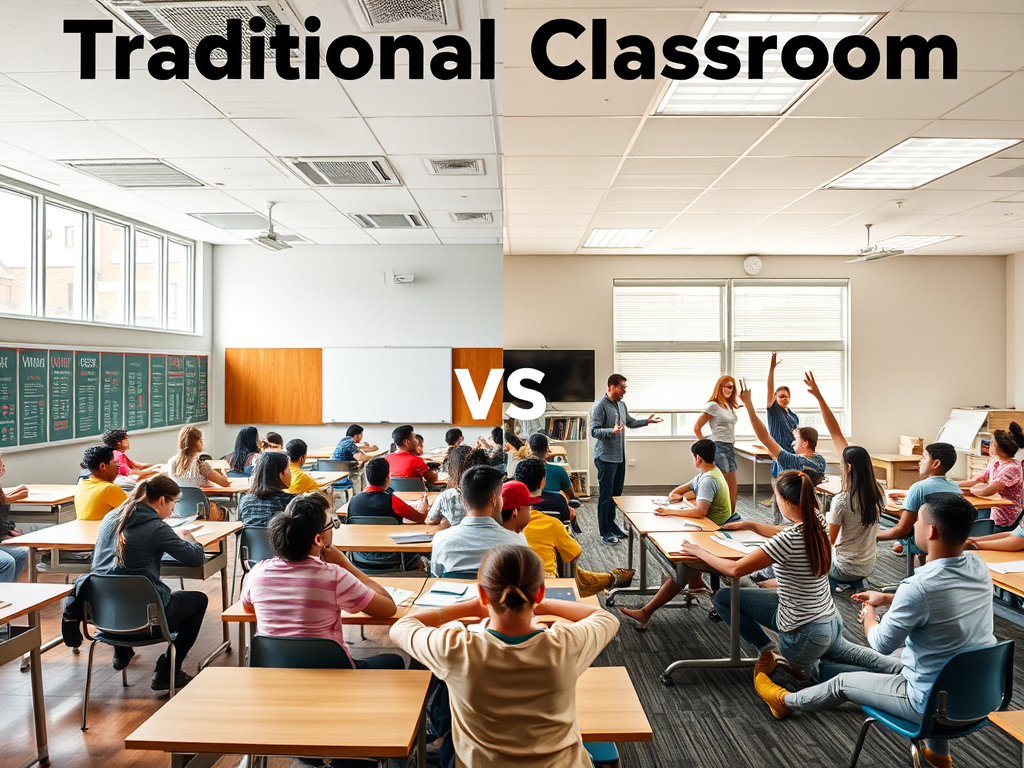
Imagine a classroom as a garden—but instead of sunlight and movement, students are planted in rows, behind desks, expected to grow through compliance alone. In many traditional setups, the emphasis is on control: students sit still, listen passively, and follow instructions. While this may create order, it often stifles curiosity, creativity, and connection.
🪑 The Problem with Traditional Classroom Setups
Limitations of Desk-Bound Learning:
- 🚫 Reduced Engagement: Static environments can lead to boredom, disengagement, and behavioral issues.
- 🧠 Limited Cognitive Activation: Sitting for long periods restricts blood flow and oxygen to the brain, dulling focus and retention.
- 💬 Minimal Collaboration: Fixed seating discourages peer interaction and spontaneous dialogue.
- 😔 Emotional Disconnection: Students may feel unseen, unheard, and uninspired—especially those who thrive through movement and kinesthetic learning.
🕺 The Benefits of Movement in the Classroom
Movement isn’t a distraction—it’s a catalyst. When students move, they activate both body and brain, creating a dynamic learning ecosystem where ideas flow and energy rise.
Why Movement Matters:
- 🎯 Improved Focus & Concentration: Physical activity resets attention and boosts executive functioning.
- 🧠 Enhanced Memory & Retention: Movement increases oxygen to the hippocampus, strengthening memory pathways.
- 🙌 Increased Engagement & Participation: Interactive lessons invite students to co-create meaning, not just consume it.
- 💪 Better Physical Health & Reduced Restlessness: Movement supports posture, reduces anxiety, and channels energy constructively.
🧰 Practical Strategies for a More Dynamic Classroom
Let’s reimagine the classroom as a studio—flexible, responsive, and alive with possibility. Here are four actionable strategies to infuse movement into your daily practice:
🔄 Brain Breaks
Short, structured movement bursts (e.g., stretching, dancing, walking) that reset attention and improve mood.
🪑 Flexible Seating
Offer choices like standing desks, wobble stools, bean bags, or floor cushions to support different learning styles and sensory needs.
🎭 Active Learning Activities
Incorporate movement into lessons through:
- Gallery walks
- Role-playing
- Interactive games
- Kinesthetic sorting or matching tasks
🌳 Outdoor Learning
Take lessons outside to engage senses, shift energy, and connect learning to the natural world.
📣 Invitation to Learn More
Want to go deeper? Join our hands-on workshop, Incorporating Movement in the Classroom, where you’ll:
- Receive personalized guidance tailored to your classroom needs
- Engage in interactive demos and movement-based activities
- Access exclusive resources like facilitator cards, flexible seating guides, and active lesson templates
🚀 Call to Action
Ready to transform your classroom?
Sign up for our Incorporating Movement in the Classroom workshop to learn detailed strategies and get personalized guidance on making your classroom more dynamic and engaging.
👉 [Register @ cbeducationalconsulting.com] Subscribe for more
Copyright @2025 C&B Educational Consulting, LLC 2025

Leave a comment